Friday, September 10, 2010

Natural food for preventing and combating disease


The scope of this blog is limited to the brief summary of the research findings presented at the ACS (American Chemical Society) 2010 National Meeting in Boston 22-26 August 2010.
  • Caffeine: moderate (<400 mg/day of caffeine, the equivalent of about three 8-oz or 237 ml cups of brewed coffee) consumption poses no significant health risks to most healthy adult consumers except during pregnancy. Caffeine acts mainly upon the central nervous system, stimulating wakefulness, facilitating ideas association and decreasing the sensation of fatigue.
  • Blueberries and strawberries: are known to enhance brain health via their antioxidant and anti-inflammatory properties.  Overall, the results strongly suggest that the benefits of both berries extend beyond the antioxidant and anti-inflammatory effects to cellular toxic clearance in the brain.
  •  Cranberry: Potential benefits against disease and infection. Cranberry fruit (Vaccinium macrocarpon) contains bioactive compounds that have been found to limit microbial infections, oxidative processes, inflammation, and cell proliferation. Dietary consumption of cranberries and cranberry products may therefore play a role in maintaining urinary tract and oral health, and may also protect against certain cancers and other diseases associated with aging. Bioactive constituents with the potential to contribute to these protective effects include flavonoids such as anthocyanins, flavonols and proanthocyanidins, substituted hydroxycinnamic acids and other organic acids, carotenoids, and triterpenoids such as ursolic acid. Because cranberries have a unique and diverse phytochemical composition, multiple protective mechanisms are possible. Recent studies employing both in vitro and in vivo models of human diseases were discussed. These studies provide evidence that cranberry constituents counteract oxidative stress, decrease tumor cell growth, migration and proliferation, induce apoptosis, inhibit bacterial adhesion and biofilm formation, reduce growth of human fungal pathogens, and may modulate cellular pathways associated with disease.
  • Behavioral and signaling effects of blueberries, strawberries, and walnuts: Quenching the fires of aging.
  •  Bioactive compounds from okra seeds: Potential treatments for diabetes-Type 2 and cardiovascular disease.
  • Avocado: great potential for attenuate brain aging.  Presented as a part of Application of calorie restriction and calorie restriction mimetics to attenuate brain aging.
  •  Omega 3 fatty acids and Curcumin (turmeric): Prevention approaches to Alzheimer disease (AD).  Omega 3 fatty acids already show promise with early intervention in the clinic.  Because of their low cost and outstanding safety profiles, Omega 3 fatty acids and curcumin show great promise for cost-effective prevention of AD and likely other age-related pathologies.  Purified Fish oil free from mercury and chicken eggs are a great source of Omega-3 DHA.  
  • Sesamol:  Protective effect of sesamol (which is key ingredient of Sesame seeds) on stress-related mucosal disease in rats.
  • Soy Foods:  Soy foods provide high quality protein, dietary fiber, complex carbohydrate, phospholipids and an array of health-promoting antioxidants and phytochemicals. These components appear to act independently and synergistically to enhance cardiovascular health. Study findings affirm the beneficial effects of soy protein intake on serum lipoproteins and suggest that soy protein intake of 15 to 25 g/d may, independent of other dietary and lifestyle alterations, reduce risk for coronary heart disease by approximately 15%.

Note:  How you prepare, process your fruits, vegetables and proteins are as important for maintaining their full benefit of consumption.  Diet alone is not enough for preventing and combating disease but one of the important elements of the whole health program.
Whole health program looks into your life-style, work environment, diet, physical and mental exercise for example. 

If you are allergic to any of the food listed above please consult with your physician before implementing any new diet.

Other fruits, vegetables, natural herbs and protein those that are not mentioned here are also quite beneficial.


If you are a member of ACS you can access the abstract for more details by visiting:

AGFD: Division of Agricultural and Food Chemistry or ACS in the past meeting section, Fall 2010 or contact me at tm@freeyourspiritma.com for additional information.

Thursday, July 15, 2010

Leadership Best Practices to Manage Change in You and Others


As we know from our own experience it is quite challenging to change many years of ingrained habits.  Facilitating change in others is even harder. It takes many hours of deliberate practice to learn and implement a new habit with excellence. In his book “Talent Is Overrated: What Really Separates World-Class Performers from Everybody Else ” Geoff Colvin says that many years of deliberate practice has the potential to make us a world champion. There is not a requirement to be born with a “success gene” to be a success.


The term deliberate practice needs to be defined. It is not just a mindless repetition, but more a specific practice that is designed to produce desired results and requires an extraordinary awareness and focus. This is why a mentor or coach can be an essential guide providing continuous feed back and significantly reducing the amount of errors, steps and time required to get there.


Our thoughts have so much power that they can shape our destiny. Awareness of our thoughts and attention to our state of mind is the first step to form a new habit of thinking effectively. By shifting our thoughts to what we want, this in turn produces new and positive results.   


Thinking --> Emotions --> Behaviors --> Results


Therefore we can say that our habits/behaviors produce results whether desired or not. If we want to change our results we need to change our thinking and thereby create new emotions, behaviors and thus results.


It is lot harder to unlearn what we have learned by doing things in a certain way through many years of repetition. The best way to change a habit is to learn a new way of doing things.


How do we best promote new habits and behaviors? As neuroscience says either use it or lose it!


Current research in neuroscience indicates that neuroplasticity is not only a phenomenon that exists in a child’s brain.  In fact the adult brain at any stage of life is continuously changing with every experience and new learning. In other words some parts of our brain are quite plastic, specifically the parts responsible for learning.


As I have described in my previous blog Learning and Memory is a part of a limbic system function of our brain.


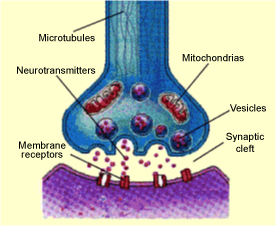
When we learn something new we form new neural connections in our brain.


In adult human brain there are more than 100 billion neurons and more than 100 trillion synapses. So it is possible for us to make many new neural connections with each new learning experience and strengthen these connections with deliberate practice.


So what are some leadership best practices to facilitate change in others?


1. Establish a rapport


We are open and relaxed when we talk with someone we can identify with, and are more open to listen to what the other person has to say. We call this process establishing a rapport which is part of the communication step.


2. Verbal and Non-Verbal Communication


  • Listen for clues of the other person’s need.


  • Check in with the other person and establish rapport.


  •  Remember the purpose of the meeting.


  •  Observe the non-verbal communication to understand the process first before moving into content.


  •  Observe the person’s body language first to determine how a person thinks and processes information.


  •  Determining in what emotional state the person is, for example excited, energetic, focused, eager, angry, bewildered, overwhelmed, confused, friendly, anxious, analyzing, manipulating etc..
3. Validate any Assumptions


  •  Asking appropriate questions within the context of the meeting to validate any assumptions.


4. Stay Solution Focused


  •  Ask open ended questions to create new thinking towards solutions.


  •  Facilitate and direct conversation towards solutions so that the person feels that it is his/her own idea and thus motivated to take immediate actions.


  •  Keep the conversation within the scope of the purpose.


  •  Decide what is the most meaningful thing to do at any moment of time.


  •  Take actions based upon the current context and expected outcome.


  •  Provide immediate feed back if requested for improvement.


Reference


1. Talent Is Overrated: What Really Separates World-Class Performers from Everybody Else by Geoff Colvin
2. http://www.quietleadership.com/
3. http://www.harpercollins.com/book/index.aspx?isbn=9780060835903

Thursday, April 8, 2010

What part of our brain is responsible for learning and memory? What can we do to enhance our learning and memory even at an older age?


I just took a short course on Understanding the brain
by Jeanette Norden Ph.D., Professor of  Vanderbilt University School of Medicine and am intrigued to see how our brain is central for our well being.
In this blog I will focus on learning and memory.  For example what part of the brain is responsible for learning and memory and what can we do to improve these functions to achieve the quality of life we desire.


Learning and Memory is a part of limbic system function of our brain.
So what is Limbic System?  A system of complexly inter connected nuclei and areas involved in learning, memory, emotion and executive function such as our ability to make a decision.


So what is Neurotransmitter? A chemical that transmits nerve impulses from one nerve cell to another or between a nerve cell and a muscle or organ. Some important neurotransmitters are serotonin, dopamine, norepinephrine, acetylcholine, and gamma-aminobutyric acid (GABA).


Brain areas implicated in memory:


Neurotransmitter  plays a major role in learning and memory.


  • Higher order areas of the prefrontal cortex-working memory.
  • Hippocampus-short term learning and memory and some long term processes. Hippocampus can generate new neurons and known to show great adaptability-plasticity.  
  1. Left Hippocampus-Language, episodic memory, autobiography.
  2. Right Hippocampus-Spatial Memory.

There are three types of memory

    1. Working or immediate memory resides in the frontal lobe (is usually less than 30 seconds). This form of memory is commonly referred to as one’s attention span. When you memorize and dial a new telephone number that someone just gave you that is an example of your working memory. Dopamine seems to be the most important neurotransmitter for neurons involved in working memory.
    2. Short term memory resides in your medial temporal lobe and lasts a few minutes to a few weeks necessary and is a first stage in learning. When you recall a conversation or a phone number learned a few minutes to a few weeks ago, your medial temporal lobe is activated.
    3. Long term memory may last long life time and yet be modified for example change with experience.  The hippocampus and Association area of the Neocortex plays an important role in long term memory and other cognitive functions.
What can we do to enhance our learning and memory:
References


Friday, February 5, 2010

Selecting supplements 101


Now that health care’s cost are increasing, more and more of us are paying attention to our health and well being.
If you are eating healthy diet, doing your regular mental and physical exercise you are almost hitting your target of perfect health.
The fact is few of us are disciplined enough to stay in a routine healthy diet/mental and physical exercise. No wonder the obesity and diabetes are on the increase in the US.

When we were young with never ending energy, we had little thought for eating the right food for us or doing the exercise that is good for us!
Now that every doctor’s visit we make and every test we take is really putting a toll on us so what’s the solution.

Long story short there is no easy fix! This blog is not about promoting supplements or drugs rather a call to take responsibility NOW for your health.

Yes-some drugs and supplements are beneficial. Others have drawbacks and side effects to weigh against any potential benefit.
The question is how you select amongst so many choices of supplements available today!

Let’s take a look at simple steps of identifying your needs and selecting supplements:

Warning! If you have any health condition -it’s always prudent to talk to your doctor before taking any new supplement.
For a normal healthy person a daily dose of multivitamin with essential minerals and an Omega-3

Supplements are more than adequate.

As we age we may need more and more of a specific supplement. The best way to find out is to have a blood test for any deficiencies and determine their root cause by consulting with your primary care physicians.

Following are some commonly taken as you age:

Calcium

Magnesium

Vitamin D

and B12


What to look for when selecting any supplement:

1. Is the manufacturer follow current good manufacturing (cGMP) practice or USP for it’s manufacturing and testing to guarantee quality of their supplements? Remember following cGMP is not required for supplement manufacturer in the US but when the manufacturer uses this practice you know they have gone beyond their minimum requirements to guarantee their quality and to serve their customers well.

2. What inactive ingredients are the manufacturers utilizing to formulate these supplements? Remember serious side effects can occur from inactive ingredients if you are not very careful in selecting them.

3. Some may even use artificial sweetener that has demonstrated to cause tumors in laboratory animals.

4. There are other ingredients to look for as well such as certain kind of preservatives, artificial coloring, protein or animal derivatives or other ingredients you are not familiar for example that should be avoided.

5. Contamination with lead or other contaminants such as mercury during manufacturing or processing or handling such as packaging which is not very easy to locate just from reading label alone. That is why cGMP practice or USP is so important when it comes to supplement manufacturing. 

6. Last but not the least important-Use of appropriate packaging and storage for supplements.

Sunday, October 25, 2009

NUTRITIONAL GENOMICS AND YOU

  NUTRITIONAL GENOMICS (Diagram above is adopted from http://www.csupomona.edu/~nutrigenomics/conference.shtml site for getting the message out regarding the Nutritional Genomics Conference in Nov 12-14 2009 in CAL POLY POMONA):
The Impact of Dietary Regulation of Gene Function on Human Disease


Purpose

The purpose of this blog is to introduce and define Nutritional Genomics. It will also discuss why we need to educate ourselves on this topic, and resources available to us to expand our knowledge on this topic. Finally, I will discuss how we can apply this new knowledge to our daily lives for healthier lifestyles.


Scope

The scope of this blog is for education and general awareness to be used for enhancing our knowledge specifically for preventative measurement and not designed to be used to diagnose or cure any existing disease.


Introduction

Healthcare costs are rising every year. If we really do not take responsibility of our health NOW there will be consequences sooner or later. We have an option of educating ourselves in the field of Nutritional Genomics and implementing individualized diet plan along with individualized exercise programs. We can design these with a competent and trust worthy health coach to keep us in balance and healthy.

We tend to seek out the quick fix and take comfort in well established and commonly accepted solutions for almost every problem whether it is in business, financial, or personal health matters. By observing the economy and government over the last year, we have learned that there is no such thing as a quick fix that is dependable! Any lifestyle change takes initiative, commitment, and time. So my hope is that this blog will provide new and useful information that you can consider and possibly implement for maintaining your and your family’s good health. Bear in mind that it’s as important how you eat as what you eat.


What is Nutritional Genomics?

Nutritional Genomics - or Nutrigenomics — The study of how foods affect the expression of genetic information in an individual and how an individual’s genetic makeup metabolizes and responds to nutrients and bioactive such as vitamins and minerals.
According to Wiki definition:
Nutritional Genomics is a science studying the relationship between human genome, nutrition and health. It can be divided into two disciplines:
  • Nutrigenomics: studies the effect of nutrients on health through altering DNA (or for many types of virus, RNA), protein, metabolites and the resulting changes in physiology.
  • Nutrigenetics: studies the effect of genetic variations on the interaction between diet and health with implications to susceptible subgroups.
More specifically, nutrigenomics studies how individual differences in genes influence the body's response to diet and nutrition. For example, people with mutations such as deficiency in the enzyme phenylalanine hydroxylase cannot metabolize foods containing the amino acid phenylalanine and must modify their diets to minimize consumption. With modern genomic data, severe gene mutations with less severe effects are being explored to determine whether dietary practices can be more closely personalized to individual genetic profiles. However, there have been few validated studies for these kinds of classical gene mutation effects.


Why study Nutritional Genomics?
Unlocking the key to our vitality and good health is at the core of what Nutritional Genomics seeks to learn and accomplish, intending to apply up-to-date knowledge in genetics and nutrition to the old saying ‘ You are what you eat’.
Dr. Mark Hyman defines:
Nutrigenomics is the new model of medicine, based on molecular medicine which began about 50 years ago with the discovery of DNA. Unfortunately, most doctors are still looking for the "magic bullet," or medication to cure illness, but chronic diseases will never be cured that way. Discover how to balance the basic life forces within your body to send new messages of health and healing.
The New Science of Nutrigenomics Unveiled:
Dr. Peter J. D'Adamo’s book Eat Right 4 Your Type in 1996 and The GenoType Diet in 2008 reflects the modern applications of Nutritional Genomics.


Applications of Nutritional Genomics
I personally recommend the practical approach put together in The UltraMind Solution DVD or AUDIO CD BOOK with a workbook by Dr. Mark Hyman.
This book recommends six week program to start with dairy and gluten free diets to determine whether you have any allergy to any of these ingredients and slowly reintroduce them one at a time at the end of the program.
The ultramind solution companion guide covers details of Your Six-Week Eating Plan to an Ultra Mind Recipes.
To download the free ultramind companion guide see following link:
As an alternative approach see also Dr. Peter J. D'Adamo’s book Eat Right 4 Your Type and The GenoType Diet.
Where Dr. Adamo describes diet based on our blood type and biometric measurements.
In his most recent book “The GenoType Diet” Dr. Peter J. D'Adamo uses blood type, RH type, secretor or non secretor from saliva test and biometric measurements such as body type, size, finger prints, index finger vs ring finger length, jaw shape and teeth patterns for example to determine your ideal diet.
In the Genotype Diet Dr. Peter J. D'Adamo draws on epigenetic, the study of the interaction between genes and environment, to argue that tailoring diet and lifestyle to "GenoTypes" (genetic survival strategies that predate ethnicity and race and correspond to such external traits as body type, size, finger prints, jaw shape and teeth patterns) is the most effective means to achieve optimum health.


If you would like to learn more about blood types, epigenetics and why Dr. D'Adamo decided to write The GenoType Diet see the link below:

http://www.youtube.com/watch?v=k0ZHUu-cLYA
In the beginning it may seem like a drastic change and overwhelming whichever diet program you may choose to select. From my experience I personally use the Kaizen way of change – a small step at a time and it is easy and effective.
Even if you decide not to follow the entire program if you at least adopt some of the key strategies described in these books of healthy eating you will see a significant difference in your energy level and well being within a few weeks.
As far as supplement is concerned please consult with your physicians before adopting any new supplements specifically if you are taking any medications or are allergic to certain type of food or ingredients used in the supplement.


Current Event


NUTRITIONAL GENOMICS CONFERENCE:
The Impact of Dietary Regulation of Gene Function on Human Disease
Today, it is not uncommon to discuss the etiology of human disease in the context of genes, environment, and nutrition. With the sequencing of the human genome and the rapid scientific advances in technology that followed, researchers have been able to explore the linkage between diet and those molecular processes that govern long-term health and disease outcomes.
For Current Event and Conference Agenda on NUTRITIONAL GENOMICS please visit the link below:
The final session of the conference will identify future directions for Nutritional Genomics research as well as challenges and opportunities for improving global health and wellness by preventing, delaying or mitigating chronic diseases and cancer with diet.


Conclusions
There is a lot of research in the field of NUTRITIONAL GENOMICS and it’s applications to improve human health. Indeed doing the root cause analysis and implementing the right diet with the right physical and mental exercise plan can alleviate most of our chronic diseases such as Obesity, Type II Diabetics, Inflammation, Hyper tension, Cardiovascular diseases and certain types of cancer The field is expanding as more and more Universities and Non-profit organizations in the US and abroad are doing additional research and collecting data to validate this new field and it’s potential benefit to humanity to in the years to come. I hope and trust that our health and governmental organizations, hospitals, and maybe even pharmaceutical companies will soon take interest to sponsor some of these very important studies in this field as complimentary treatments or as part of personalized medicine plans.

Nutritional Genomics can be considered as part of a personalized medicine program. Several Universities in the US including Cal Poly Pomona, University of California, Davis and Tufts University have formal department of Nutritional Genomics. The same topic is covered under Human Nutrition in many other US and European Universities.
I have reviewed a few of the existing works and research reports available via the internet and have listed them below with links for further studies. I have also created the group Nutritional Genomics in LinkedIn to facilitate learning and if you are interested in joining the group please visit the link below:


Additional Resources


1.  Nutritional Genomics definition:
          
          http://en.wikipedia.org/wiki/Nutritional_genomics


2. Advanced nutrition and human metabolism

By Sareen Annora Stepnick Gropper, Jack L. Smith, James L. Groff
To preview the google book above simply paste the link below in your browser:
3.  MyPyramid offers personalized eating plans and interactive tools to help you plan and assess your food choices based on the Dietary Guidelines for Americans.

        To visit follow the link:


          http://www.mypyramid.gov/


        My Pyramid Plan:

4.  Nutritional Genomics: discovering the path to personalized nutrition By Jim Kaput, Raymond L. Rodriguez

To preview the google book above simply paste the link below in your browser:


5. NCMHD Center of Excellence for Nutritional Genomics


     http://nutrigenomics.ucdavis.edu/nutrigenomics/


6.  To review Nutrigenomics Q & A simply click or paste the link in your 
      browser
Aging Resources at Tufts University simply click or paste the link below in your browser


http://www.hnrc.tufts.edu/1192109687036/HNRCA-Page-hnrca2ws_1192109688473.html


8.  To see Annual Review of Genomics and Human Genetics
Vol. 5: 71-118 (Volume publication date September 2004)
(doi:10.1146/annurev.genom.5.061903.180008)
       NUTRITIONAL GENOMICS


simply click or paste the link below in your browser
September 2008, Vol. 5, No. 5, Pages 447-455
Review
Nutrigenomics and personalized nutrition: science and concept
simply click or paste the link below in your browser


http://www.futuremedicine.com/doi/abs/10.2217/17410541.5.5.447


10.  To review the recent Journal of the International Society of
Nutrigenetics / Nutrigenomics
simply click or paste the link below in your browser


http://content.karger.com/ProdukteDB/produkte.asp?Aktion=JournalHome&ProduktNr=232009&ContentOnly=false


11.  To review The European Nutrigenomics Organization simply click or paste the link below in your browser


http://www.nugo.org/everyone


12.  To review A Perspective on Nutritional Genomics

       Escott-Stump, Sylvia MA, RD, LDN

      simply click or paste the link below in your browser


13. To learn more about Dr. Peter J. D'Adamo’s book Eat Right 4 Your Type and The GenoType Diet
simply click or paste the link below in your browser


http://www.dadamo.com/B2blogs/blogs/index.php/nutrigenomics/?blog=24


14. To review Dr. Andrew Saul’s controversial scientific ideas on Orthomolecular Medicine simply click or paste the link below in your browser


http://www.doctoryourself.com/


15. Pharmacogenomics and nutrigenomics: synergies and differences.
        Ghosh D, Skinner MA, Laing WA
          Eur J Clin Nutr 2007; 61:567-74.


16.  Nutritional genomics in practice: Where do we begin?
   Journal of the American Dietetic Association

        Volume 105, Issue 4, Pages 589-598 (April 2005)


17.   Nutrigenomics: From Molecular Nutrition to Prevention of Disease
   Journal of the American Dietetic Association
        Volume 106, Issue 4, Pages 569-576 (April 2006)


18.  The Science Fiction of Nutritional Genomics